


Why Australians Are Embracing Sustainable Living Spaces
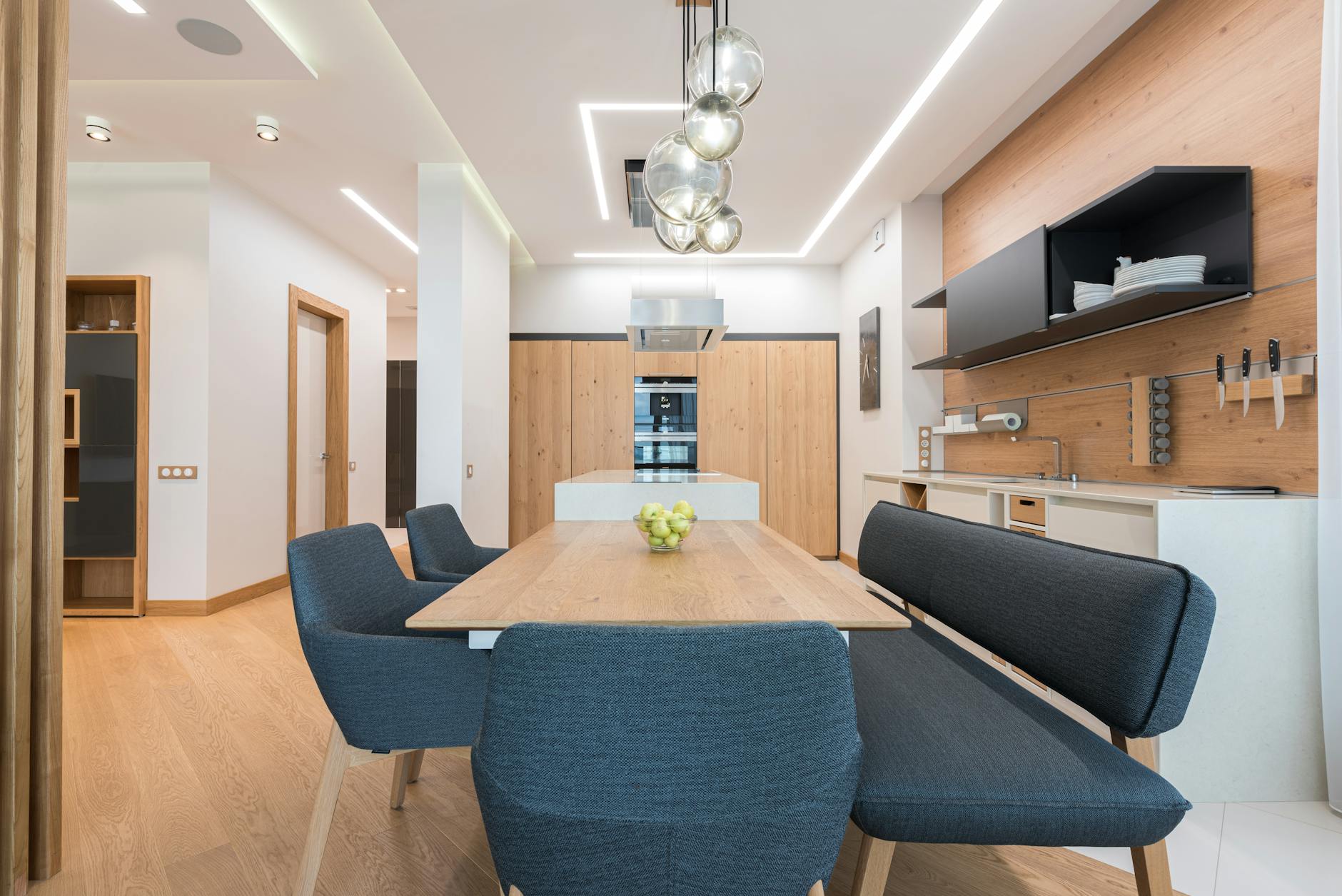
Sustainable Living Spaces Defined
Sustainable living spaces are much more than energy-efficient houses; they're an ecosystem designed to enhance both human life and the environment. As innovations continue to shape this field, our foundations lie in Australia’s sustainable housing initiatives, particularly notable within Point Cook. These initiatives aim to make eco-friendly estates integral to urban expansion, providing future-proof homes that blend aesthetics with practicality, including options like ex display homes for sale that offer sustainable and stylish living solutions.
Core Elements of Sustainability
The core principles hinge on key practices: efficient energy usage, water conservation, and environmentally friendly materials. By integrating solar panels, rainwater harvesting systems, and renewable materials, homes for sale lara become a small cog in the larger wheel of environmental stewardship. These fundamental features play a crucial role in creating a living space that's both comfortable and environmentally conscious.
Environmental Impact and Benefits
A significant benefit of sustainable living spaces is their notable reduction in carbon footprint. The use of recycled materials and renewable energy sources substantially decreases pollutants and decreases reliance on non-renewable resources. Moreover, sustainable design encourages biodiversity and improves microclimates, making these communities a desirable choice for future homeowners.
Key Features of Sustainable Homes
Some key features of sustainable homes include high-efficiency insulation, passive solar heating, and smart water recycling systems. By embracing these elements, households not only reduce their environmental impact but can also enjoy lower utility bills over time. Innovations from custom home builders near me reflect a growing trend of personalising these sustainable features according to the homeowner’s unique needs and lifestyle.
Why Australians Embrace Eco-Friendly Living
Evolving Lifestyle Trends
In recent years, the landscape of Australian living has transformed, driven by a significant shift towards sustainability. More individuals identify with a lifestyle that preserves environmental integrity and fosters community bonding, much like the eco-friendly estates in Harpley. Living sustainably is not merely a choice; it's fast becoming a defining feature of contemporary Australian communities. As people explore options like houses for sale beveridge, they increasingly prioritise environments that harmonise with nature and promote well-being.
Fostering Community and Consciousness
Australian communities are reshaping their priorities, placing a higher value on environmental consciousness. This growing awareness fosters vibrant, engaged neighbourhoods that thrive on sustainable practices. Those looking at display homes truganina victoria will notice that these communities often boast features like communal gardens and sustainable resource management, which play an instrumental role in influencing property decisions. Encouraging this kind of development builds a collective commitment to the environment.
Prioritising Health and Well-being
A sustainable lifestyle is closely linked to health and well-being, key considerations for many Australians. By integrating natural elements and minimising pollution, sustainable homes offer environments where physical and mental health flourishes. Imagine settling into a neighbourhood where access to green spaces and improved air quality are commonplace, heightening one's quality of life. For example, when looking at property for sale plumpton, one may find homes designed with these health benefits in mind, making sustainability a practical choice rather than just an obligation.
Building Sustainable Homes
Design and Architectural Trends
Creating sustainable homes requires innovative design strategies that seamlessly combine functionality and eco-awareness. In areas like Mernda houses for sale, homebuyers are increasingly drawn to designs that promote natural light, optimise space, and support a low-carbon footprint. Open floor plans, along with large, strategic windows, are popular as they enhance energy efficiency by reducing the need for artificial lighting. Additionally, green roofs and living walls are gaining traction not just for their aesthetic appeal but also for their ability to naturally insulate homes, reducing overall energy consumption.
Material and Resource Choices
Selecting the right materials is crucial in building eco-friendly homes. Recycled and locally sourced materials are preferred due to their reduced environmental impact. Timber certified by chains of custody like FSC is a sustainable choice that doesn't compromise on quality or aesthetics. For flooring, natural linoleum or bamboo offers durability with an eco-friendly edge. Water-efficient fixtures and systems also play a pivotal role in sustainable home design, ensuring resources are utilised thoughtfully. Recognising the balance between sustainability and cost-effectiveness is key, making brookfield estate an enticing option for those pursuing eco-friendly housing.
Smart Technology Integration
Technology has become a cornerstone of sustainable living spaces. Smart home systems enable real-time energy monitoring, allowing homeowners to track consumption patterns and adjust usage accordingly. This integration extends to automated lighting and heating systems, programmed to operate efficiently based on occupancy and external temperatures. Solar panels, along with battery storage solutions, are increasingly adopted in new builds to make homes more energy-efficient and less reliant on traditional power sources. By embedding these smart technologies, Melbourne's homeowners contribute to ongoing sustainability efforts, paralleling initiatives like the eco-friendly estates in Harpley.
Challenges in Sustainable Living
Overcoming Knowledge Gaps
For those of us invested in sustainable design, one of the primary hurdles is bridging the knowledge gap. Many individuals interested in eco-friendly options are not fully aware of the resources or pathways available to transition their homes into sustainable spaces. Our mission, much like initiatives seen in sustainable housing initiatives in Point Cook, is to disseminate practical information. Whether you're exploring thomastown houses for sale or considering new developments, educational tools can elevate understanding and confidence in making eco-conscious choices.
Social and Cultural Barriers
Embracing sustainability is not just about individual choices; it also involves challenging societal norms and overcoming cultural resistance. Traditional housing preferences can sometimes clash with modern sustainable ideals. The success of eco-friendly estates in Harpley illustrates the change possible when communities collectively embrace green technology and innovative design ideas. Engaging local narratives and celebrating cultural diversity can foster broader acceptance and innovation.
Navigating Regulatory Frameworks
Navigating the regulatory landscape can be daunting. Each region has specific codes and regulations that impact sustainable building practices. Understanding these frameworks is essential for anyone considering houses for sale rockbank or similar properties, aiming to integrate sustainable practices. Engaging with professionals who focus on navigating these legal waters ensures that projects are compliant and future-proof. Empowering individuals to make informed choices helps drive forward the sustainable living movement across Melbourne and beyond.
Maximising the Impact of Sustainable Home Design
Innovative Techniques in Design
One thrilling approach to sustainable architecture is experimenting with flexible and adaptable design principles. This is not just about walls and ceilings; it's about creating living spaces that evolve with the needs of their inhabitants. For instance, eco-friendly estates in Harpley showcase innovative partition systems that allow rooms to expand or contract based on daily requirements, promoting both energy efficiency and residents' mental well-being.
Integrating Local Elements
Leveraging locally sourced materials is a hallmark of maintaining an environmentally conscious design. Whether it's using recycled timber from Victoria’s forestry or harvesting rainwater, integrating local elements into construction isn't just sustainable — it's community-friendly. Sustainable housing initiatives in Point Cook demonstrate how using local resources can significantly reduce the carbon footprint of development, making it a powerful testament to our capacity for green innovation.
Harnessing Technology for Sustainability
The role of technology in sustainable living cannot be overstated. Incorporating energy-efficient appliances, smart thermostats, and solar panels has transformed homes into self-sufficient units. By attending environmental conferences at the Melbourne Convention and Exhibition Centre, homeowners can stay updated on cutting-edge technologies that reduce energy consumption. Ultimately, these technological integrations pave the way for a truly sustainable future, where our homes adapt smoothly to our dynamic lifestyles.